
Music has often reflected the mood of society during periods of political and social change. Few decades demonstrate that connection more clearly than the 1960s, a time marked by civil rights campaigns, cultural transformation, and growing debate surrounding the Vietnam War. Artists began using their platforms to discuss issues extending far beyond entertainment, and among the most influential voices was John Lennon.
Long before social media allowed public figures to share opinions instantly, Lennon reached millions through interviews, public appearances, and songs that encouraged peace instead of conflict. His statements continue attracting attention because they reflected the concerns of an entire generation while also challenging governments, institutions, and citizens to reconsider the consequences of prolonged warfare.
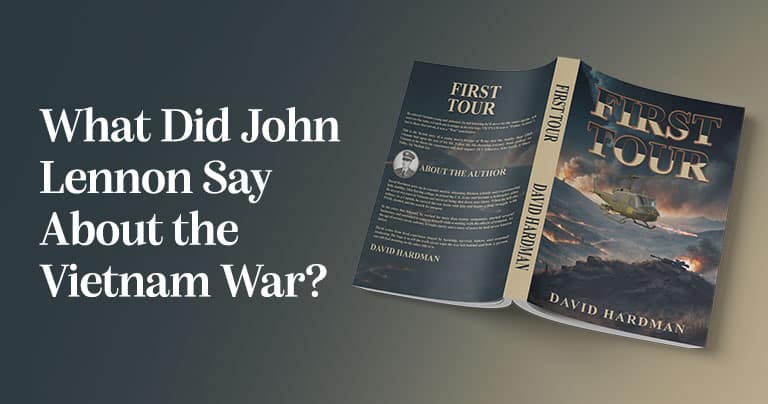
At the same time, another story unfolded thousands of miles away. American service members carried out demanding assignments in jungles, mountains, and remote military bases across Vietnam. Their experiences formed an equally important chapter of history. Books such as David Hardman’s First Tour preserve those firsthand accounts, allowing readers to understand military life through the perspective of someone who served during the conflict’s most demanding year.
Studying both viewpoints creates a fuller picture of one of the twentieth century’s defining conflicts.
John Lennon Views on Vietnam War
The phrase John Lennon views on Vietnam War frequently appears in historical research because Lennon consistently supported peaceful solutions during a period dominated by military escalation. His position did not emerge from government service or diplomatic experience. Instead, it grew from personal convictions about humanity, communication, and the value of life.
Public interviews often reflected those beliefs. Lennon questioned the continuation of armed conflict while encouraging negotiation as a preferable path toward resolving international disputes. His message resonated with students, artists, educators, and many citizens who had grown increasingly concerned about casualty reports arriving from Southeast Asia.
Songs became another powerful vehicle for expressing those ideas. Although many listeners immediately associate Lennon with Give Peace a Chance, his broader catalogue consistently explored themes of hope, unity, and cooperation. Those messages crossed national borders, introducing global audiences to conversations surrounding the Vietnam War without relying on political speeches or official statements.
His opinions generated admiration as well as criticism.
Supporters appreciated his willingness to speak openly.
Others believed musicians should avoid political discussions altogether.
Those differing reactions illustrate how deeply the war affected public life during the late 1960s.
Music Became Part of a National Conversation
American popular music experienced significant changes throughout the Vietnam War. Folk singers, rock bands, and solo performers increasingly addressed topics that newspapers and television covered each day.
Songs discussed peace.
Lyrics reflected uncertainty.
Concerts became gathering places for public discussion.
Creative expression offered people an opportunity to process emotions surrounding military service, casualty reports, and political decisions.
John Lennon stood among several artists contributing to that cultural shift, although his international reputation allowed his message to travel farther than most. His influence extended across continents, encouraging audiences to think about peace while examining the human consequences of armed conflict.
Many historians consider music one of the defining cultural elements of the era because it reached audiences across generations. Melodies remained memorable, although the conversations they inspired often proved equally important.
John Lennon Anti War Movement
The keyword John Lennon anti-war movement is closely connected with one of the most recognizable peace campaigns of the twentieth century.
In 1969, John Lennon and Yoko Ono organized the famous Bed-Ins for Peace, inviting journalists into their hotel room to discuss nonviolence instead of celebrating their honeymoon privately. The event appeared unconventional, although its objective was carefully planned.
Reporters expecting celebrity interviews encountered conversations centered on peace, diplomacy, and public responsibility.
International newspapers covered the event.
Television stations broadcast the discussions.
Millions of people who might never have attended a political rally suddenly found themselves listening to conversations about global conflict.
That creative approach demonstrated how public attention could be redirected toward humanitarian issues through peaceful, highly visible events.
Lennon’s activism encouraged discussion, even among people who disagreed with his position. Public dialogue expanded because his message reached audiences far outside traditional political circles.
Public Opinion Shifted Throughout the Conflict
Early public support for American involvement in the Vietnam War gradually declined as the conflict continued.
Television changed everything.
Evening news broadcasts displayed images directly from Southeast Asia.
Families watched battlefield footage during dinner.
New casualty reports appeared almost daily.
Communities welcomed returning service members while simultaneously debating the future of American involvement overseas.
College campuses became centers of discussion.
Peace demonstrations expanded.
Political leaders encountered increasing pressure from voters demanding clearer answers.
John Lennon’s advocacy developed during this changing environment, although countless veterans, journalists, educators, military families, and elected officials also contributed to the national conversation.
Understanding this period requires examining multiple voices instead of focusing exclusively on one individual.
John Lennon Political Activism 1960s
Discussions surrounding John Lennon political activism 1960s often extend far beyond music.
Lennon believed artists possessed an opportunity to encourage public conversation about social issues. Civil rights, peace initiatives, freedom of expression, and humanitarian concerns appeared regularly throughout his interviews and public appearances.
Government agencies monitored some of his activities because officials believed celebrity influence could affect public opinion, particularly among younger Americans.
His willingness to address controversial subjects distinguished him from many entertainers of the era.
Some applauded his courage.
Others questioned his involvement.
Regardless of opinion, his activism became an important part of the cultural landscape surrounding the Vietnam War.
Military Service Tells Another Side of History
Public demonstrations explain one chapter of the conflict.
Military memoirs explain another.
Historical analysis often examines policies, diplomatic negotiations, and battlefield strategy. Veterans introduce readers to daily responsibilities, professional expectations, teamwork, and personal reflection.
David Hardman’s First Tour provides that perspective.
Serving as an Army Warrant Officer and helicopter pilot during 1968, Hardman documents military life through firsthand experience instead of political commentary. His memoir offers readers an authentic understanding of Army aviation while preserving the human dimension often absent from official reports.
Together, peace activism and veteran memoirs create a more balanced understanding of the Vietnam War, allowing readers to appreciate the complexity of an era that continues influencing historical discussions today.
Famous Anti-War Quotes 1960s
Searching for famous anti-war quotes 1960s often leads readers to speeches, interviews, and songs that captured public sentiment during one of the most turbulent decades in modern history. Writers, musicians, religious leaders, and civil rights advocates each expressed their concerns in different ways, creating a broad movement that encouraged discussion about peace and diplomacy.
John Lennon’s contribution remains among the most recognizable.
His phrase, “Give Peace a Chance,” evolved into a rallying cry repeated at demonstrations, concerts, and public gatherings around the world. Its simplicity became one of its greatest strengths. Four words encouraged conversation without attacking individuals or promoting hostility.
Many historians continue examining why that message connected with such a large audience. Part of its influence came from timing. Public confidence in the Vietnam War had already begun to decline, and many families were searching for hope during an uncertain period. Lennon’s words reflected that desire for dialogue while reminding listeners that peaceful solutions deserved consideration.
The slogan also demonstrated how music could shape public culture. Songs reached audiences who might never attend political meetings or read lengthy policy discussions. Lyrics remained in people’s minds long after concerts ended, helping important conversations continue in homes, schools, workplaces, and universities.
Veterans and Protesters Shared Different Experiences
Public demonstrations often dominate documentaries about the Vietnam War, although they represent only one part of a much larger historical picture.
Many Americans marched for peace.
Many others served overseas.
Some supported military operations.
Others questioned government policy.
Countless families simply hoped their loved ones would return safely.
Recognizing those different perspectives is essential when studying the conflict today. Historical understanding becomes stronger through balanced research instead of focusing on a single viewpoint.
Military memoirs contribute significantly to that balance.
While activists discussed peace on university campuses and public stages, service members completed missions under demanding conditions thousands of miles away. Their experiences deserve equal attention because they reveal responsibilities that rarely appeared in newspaper headlines.
David Hardman’s First Tour offers readers that opportunity. His memoir does not argue political positions or revisit public debates. Instead, it documents professional service, teamwork, leadership, and personal growth through the eyes of an Army helicopter pilot assigned to Vietnam during 1968.
Reading both historical studies and firsthand memoirs creates a broader understanding of the Vietnam War, allowing readers to appreciate how differently people experienced the same conflict.
History Is Strongest When Every Voice Is Heard
Conflicts rarely produce simple narratives.
Political leaders make decisions.
Military personnel carry out assignments.
Journalists report events.
Musicians reflect public emotion.
Families wait for letters and phone calls.
Historians later examine every available source to understand what truly happened.
John Lennon’s contribution belongs to that larger collection of voices. His music and public advocacy encouraged conversations about peace that still receive attention decades later. Those conversations influenced popular culture while inspiring future generations to examine the relationship between music, activism, and public opinion.
At the same time, memoirs written by veterans preserve experiences unavailable anywhere else. Official documents explain operations. Personal narratives explain daily responsibilities, friendships, discipline, and the challenges associated with military service.
That combination of perspectives allows readers to study the Vietnam War with greater depth and appreciation.
Why Firsthand Memoirs Continue to Matter
Every generation discovers history differently.
Some begin with documentaries.
Others prefer biographies.
Many enjoy military history.
Personal memoirs frequently leave the strongest impression because they connect historical events with individual experiences.
David Hardman’s First Tour belongs in that category.
Instead of presenting history through dates and statistics alone, Hardman introduces readers to Army aviation through careful observation and thoughtful reflection. His writing demonstrates the commitment expected from military professionals while acknowledging the importance of preparation, communication, and teamwork.
Readers interested in aviation will appreciate the operational side of military flying.
Leadership professionals may recognize lessons about accountability and cooperation.
Students exploring the Vietnam War will discover an accessible account that complements traditional historical research.
Most importantly, the memoir encourages readers to view history through the experiences of someone who lived it instead of simply reading about it.
Looking Back with Greater Understanding
Interest in the Vietnam War continues because its influence reached far beyond the battlefield. The conflict shaped American politics, journalism, military doctrine, popular culture, international relations, and public discussion for decades.
John Lennon’s peace advocacy remains an important part of that history.
His music encouraged dialogue.
His public appearances attracted worldwide attention.
His activism demonstrated how artists could influence conversations extending well outside the entertainment industry.
Military memoirs complete that historical picture by documenting life inside combat units, allowing readers to appreciate the responsibilities carried by those serving overseas.
Taken together, these perspectives remind us that history consists of many voices, each contributing valuable insight into the same period.
Final Thoughts
Questions about John Lennon’s position on the Vietnam War continue attracting readers because they connect music, culture, and history in a meaningful way. His calls for peace became symbols of a generation searching for alternatives to prolonged conflict, while his public activism encouraged discussions that reached audiences across the world.
Understanding the era fully requires listening to additional voices as well.
Veterans documented their experiences through memoirs that preserve the realities of military service. David Hardman’s First Tour provides one of those valuable perspectives, offering readers an authentic account of Army aviation during 1968 without losing sight of the people behind the uniforms.
Studying public activism alongside firsthand military experiences creates a richer understanding of the Vietnam War. One perspective explains how society responded to the conflict. The other illustrates how service members fulfilled their responsibilities under demanding circumstances. Together, they help preserve an important chapter of modern history for future generations.
FAQs
1. What did John Lennon say about the Vietnam War?
John Lennon consistently encouraged peaceful solutions through interviews, public appearances, and songs such as Give Peace a Chance. His message promoted dialogue and nonviolence during the Vietnam War.
2. How did John Lennon influence the anti-war movement?
His music, peace campaigns, and public advocacy attracted international attention, helping expand conversations surrounding war, diplomacy, and humanitarian values.
3. Why is John Lennon still associated with the Vietnam War today?
His outspoken support for peace, combined with his worldwide popularity, made him one of the most recognized cultural figures connected with public discussions about the conflict.
4. What makes First Tour by David Hardman different from other Vietnam War books?
First Tour presents the Vietnam War through the experiences of an Army helicopter pilot, focusing on military service, leadership, teamwork, and professional responsibility instead of political debate.
5. Why should readers explore both historical research and military memoirs?
Historical studies explain major events, while memoirs introduce the personal experiences of those who served. Reading both provides a balanced understanding of the Vietnam War and the many perspectives that shaped its history.